Overview
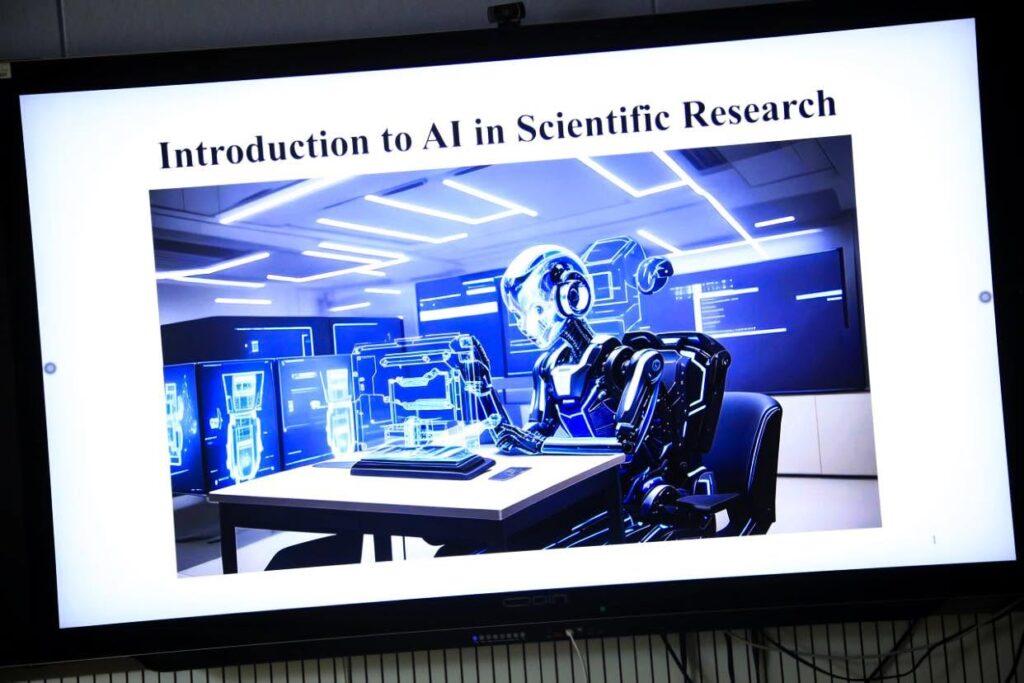
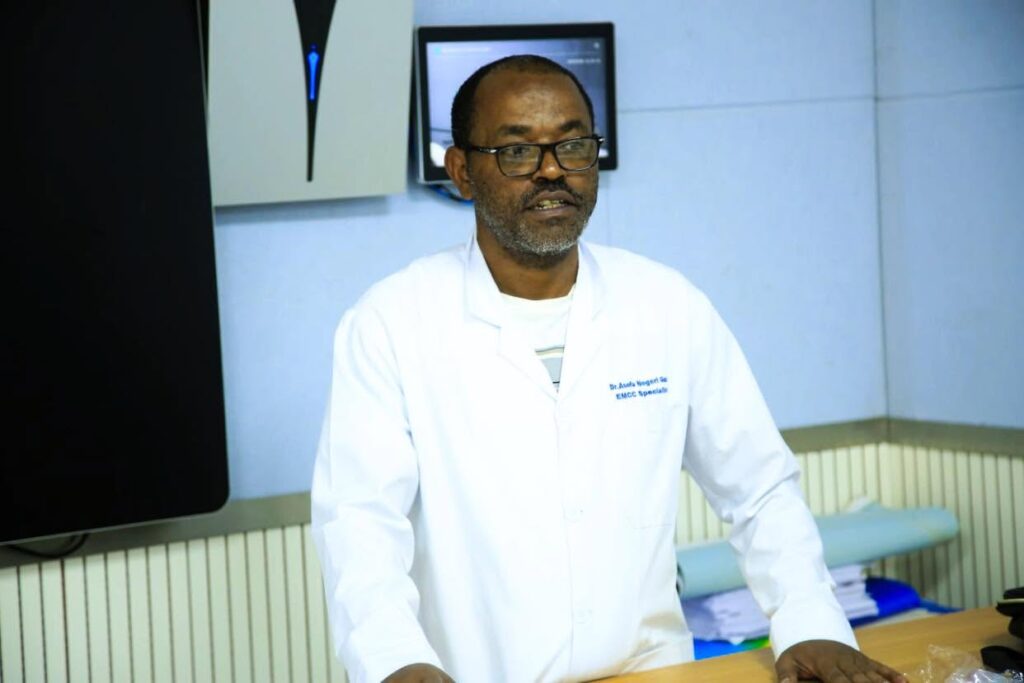
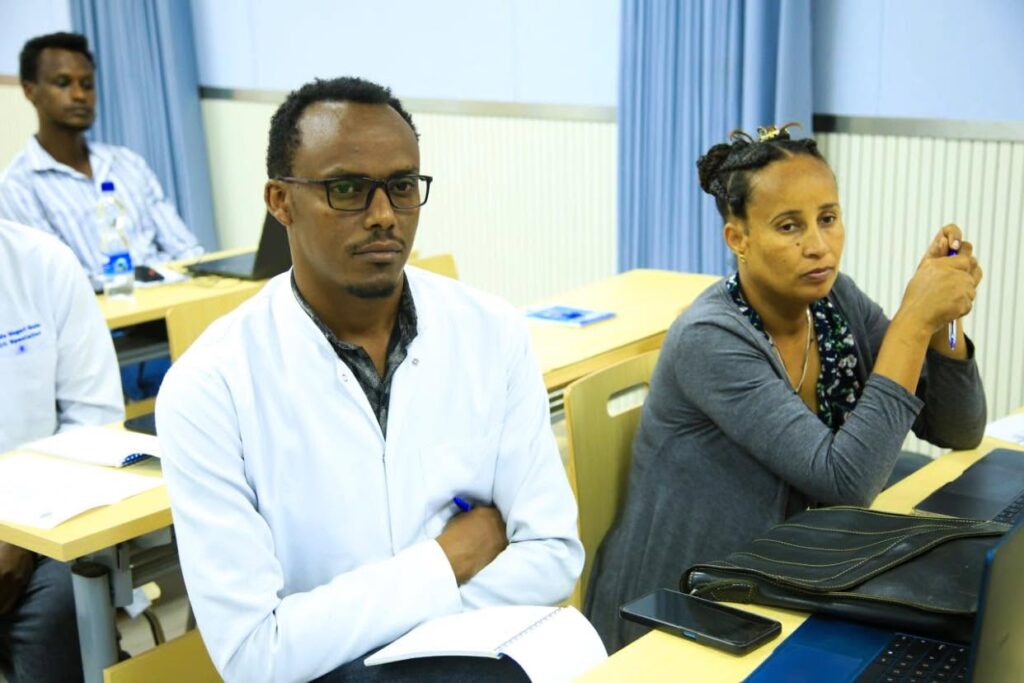
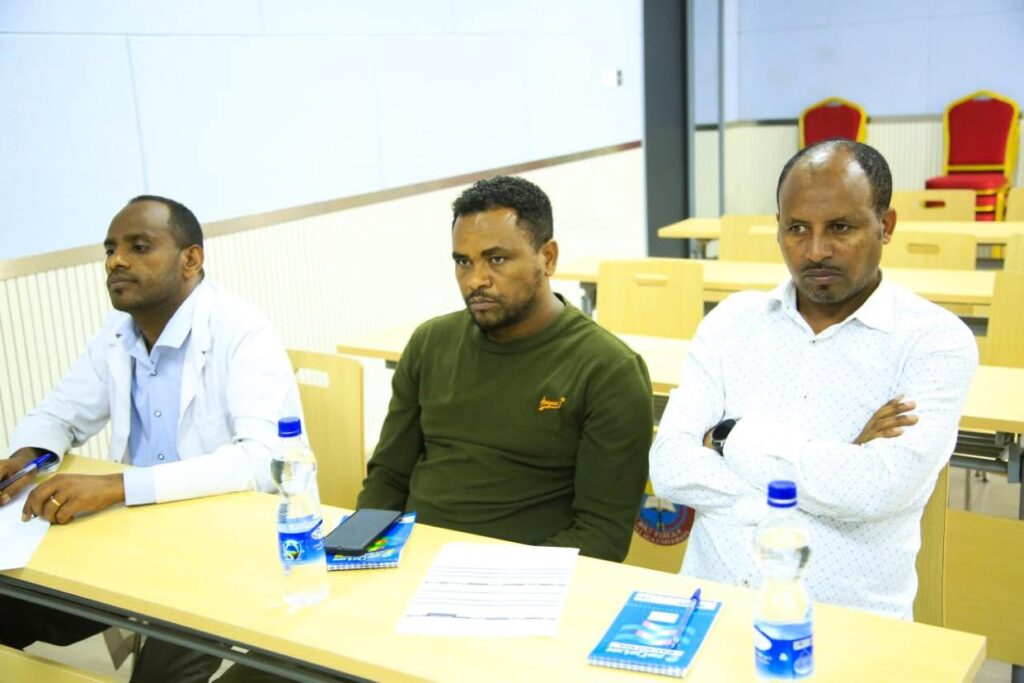
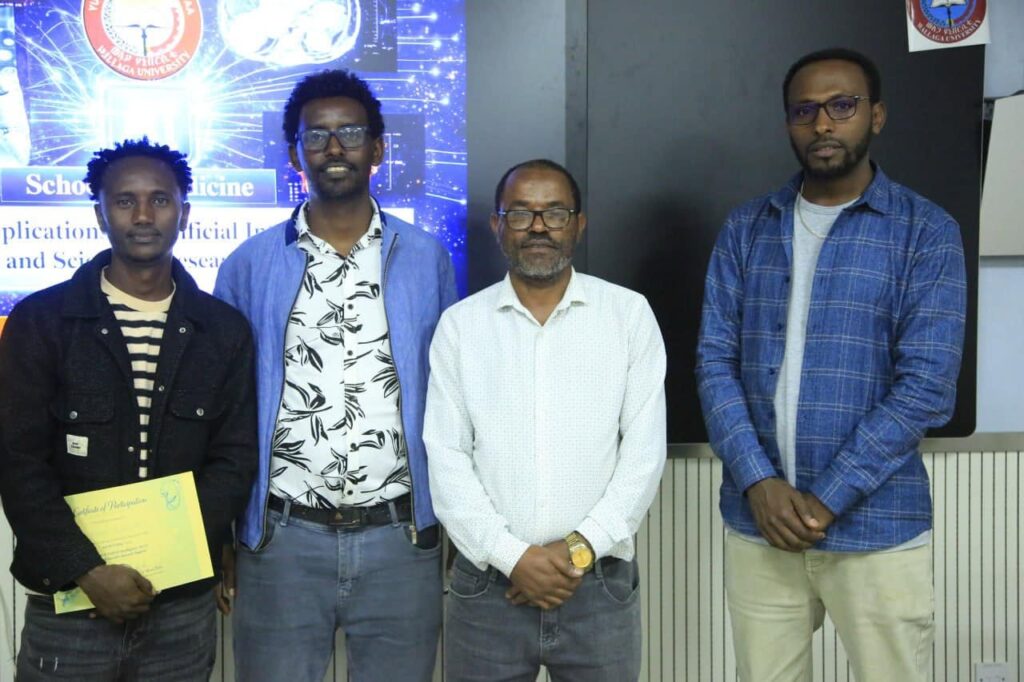
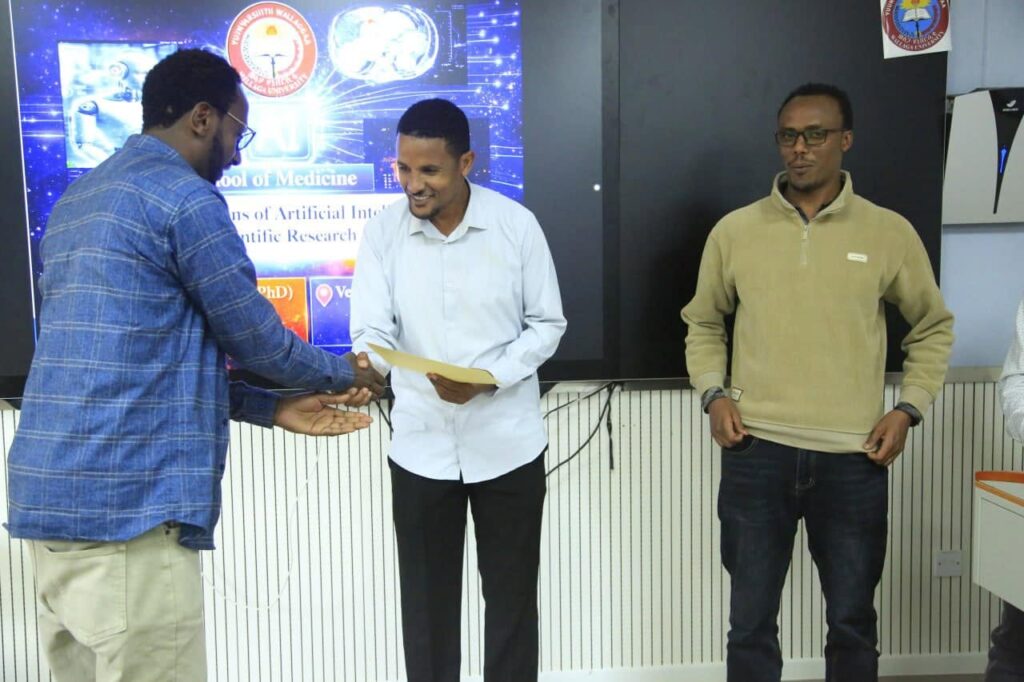
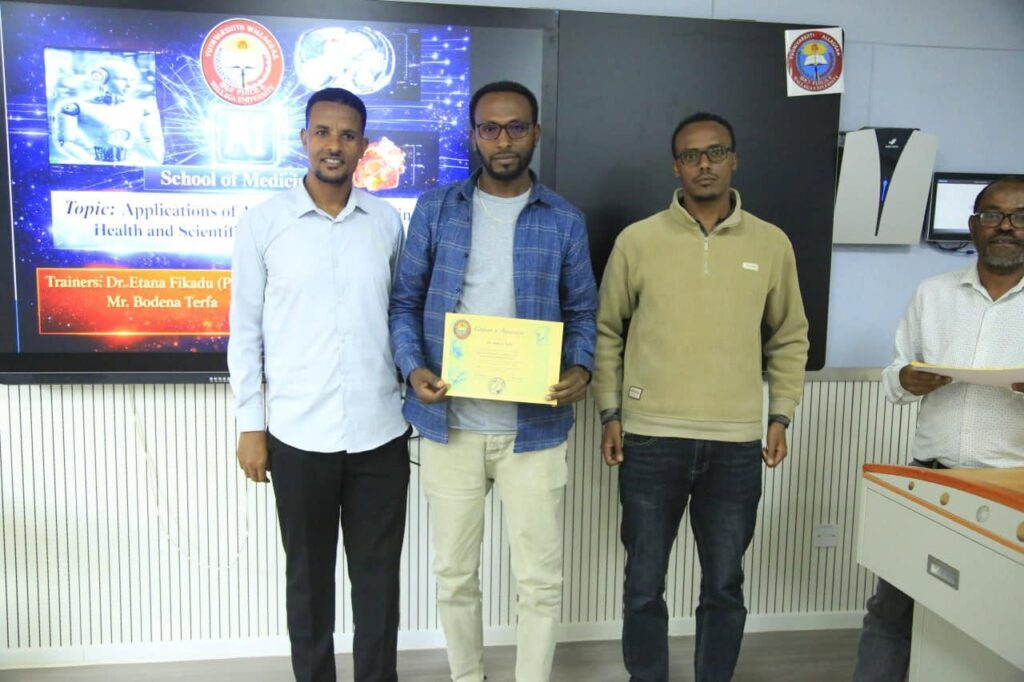
I delivered a two-day capacity-building training titled “Applications of Artificial Intelligence (AI) in Medicine and Scientific Research” for academic staff of the School of Medicine at Wollega University Comprehensive Specialized Hospital, held on April 16-17, 2026.
The training was organized to strengthen participants’ knowledge and practical skills in applying Artificial Intelligence to medical education, scientific research, and evidence-based healthcare practice. It focused on practical AI applications that enhance research productivity, improve academic writing, support clinical decision-making, and promote the ethical use of AI in medicine and scientific research.
My Role
As the lead trainer, I facilitated the sessions on Applications of Artificial Intelligence (AI) in Medicine and Scientific Research, introducing participants to the rapidly evolving role of AI in healthcare, education, and research.
The training covered:
- Fundamentals and emerging trends of Artificial Intelligence.
- AI applications in medicine and healthcare.
- AI-assisted literature review and evidence synthesis.
- AI tools for academic writing and scientific publication.
- AI for research planning, proposal development, and productivity.
- AI-assisted data analysis and research workflow optimization.
- Ethical, responsible, and transparent use of AI in medicine and scientific research.
The sessions combined conceptual discussions with practical demonstrations, enabling participants to explore AI tools that can improve research quality, efficiency, and academic productivity while maintaining ethical and professional standards.
Training Outcomes
Participants strengthened their ability to:
- Understand the role of Artificial Intelligence in modern healthcare and research.
- Apply AI tools to support literature review, academic writing, and scientific publication.
- Improve research productivity through AI-assisted workflows.
- Evaluate opportunities and limitations of AI in medical research.
- Promote responsible, ethical, and transparent use of AI in academic and clinical environments.
Impact
The training enhanced participants’ awareness of how Artificial Intelligence can support innovation in medicine, strengthen scientific research, and improve academic productivity. By introducing practical AI tools and responsible implementation strategies, the program contributed to building digital competencies that support research excellence and evidence-based healthcare.





Reflection
It was a privilege to contribute to strengthening AI capacity among academic staff in the School of Medicine. As Artificial Intelligence continues to reshape healthcare and scientific research, developing practical AI competencies together with ethical awareness is becoming increasingly important. I believe empowering healthcare professionals and researchers with these skills will contribute to more innovative, efficient, and evidence-based medical education and research.
Acknowledgement
I sincerely thank the School of Medicine, Wollega University Comprehensive Specialized Hospital, and Wollega University for organizing this important training. My appreciation also goes to all participants for their active engagement and valuable discussions throughout the two-day program.
Source
This article is based on the official training program conducted by Wollega University School of Medicine for academic staff on Applications of Artificial Intelligence (AI) in Medicine and Scientific Research, held on April 16-17, 2026.
Click here to view the source announcement or see below.